Strong Economy, Weak Rupee: Living Through India’s 90-to-a-Dollar Moment
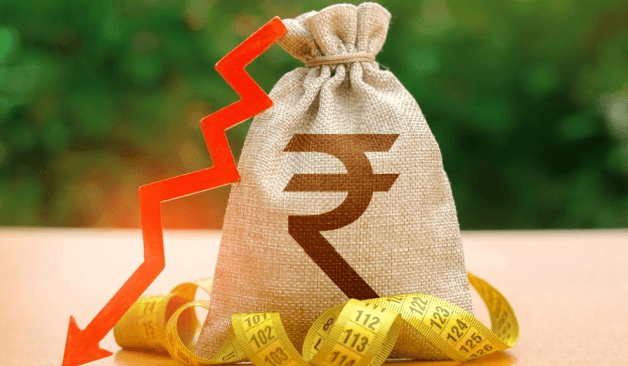
On most days, the exchange rate is just a small line on a finance app that gets ignored between work emails and food-delivery notifications. On this particular Wednesday, it refused to be background noise. The alert was blunt: the rupee had slipped past 90 to the US dollar for the first time, closing a shade above 90.1 after briefly touching 90.3 in intraday trade. A seven‑word headline suddenly felt heavier than the rest of the news cycle.
The first instinct was familiar: scroll. Social feeds were full of screenshots of currency charts, recycled jokes about “Rs 100 to a dollar soon,” and dramatic takes about economic doom. Underneath the noise, though, a quieter question lingered—if the currency just hit a historic low, why do the people in charge sound so calm?
The optimistic story from the top
Within hours, Commerce and Industry Minister Piyush Goyal’s remarks started doing the rounds. He insisted that India’s economy is on “strong footing,” pointing to 8.2% GDP growth in the second quarter—higher than most forecasts—and what he described as the lowest inflation in months. In his telling, the rupee’s slide sits in the background of a bigger, more reassuring picture.
Exports, too, were framed as a bright spot. After a sharp 11.8% contraction in October, Goyal said that November’s merchandise exports had risen by more than October’s fall, so that the combined tally for the two months showed net growth. It was a neat narrative: global turbulence on one side, but Indian factories, services firms, and trade corridors quietly holding their own on the other.
At one level, this story makes sense. Growth above 8%, low headline inflation, and an export rebound are not numbers you typically associate with a country in crisis. But when your phone is telling you the rupee has just broken a psychological barrier, it is hard not to feel that something is fraying underneath the statistics.
What the markets are actually seeing
Currency traders do not trade headlines; they trade flows and fear. By early December, the rupee was down around 5% for the year, making it one of the more sharply depreciating currencies in Asia even if its day‑to‑day volatility looked contained. Foreign portfolio investors had pulled billions of dollars out of Indian equities, and every outflow meant more demand for dollars and more pressure on the rupee.
The macro backdrop only added weight. October’s exports had slumped to roughly 34.4 billion dollars, even as the trade deficit widened to over 41 billion on the back of surging gold imports and higher tariffs abroad. Uncertainty over a stalled India–US trade deal, elevated crude oil prices, and a Reserve Bank that seemed reluctant to defend any specific level all combined into one message for traders: the rupee could be allowed to find a weaker “new normal.”
In that world, 90 is not just a number. Levels like 80, 85, 90 become mental anchors. Once crossed, they change how importers hedge, how exporters price, and how global funds think about risk in a market. The slide from 85 to 90 came in under a year, making it one of the fastest five‑rupee moves in recent memory, and that speed is exactly what makes people uneasy.
“I’m not losing sleep over it”
Cut to a conference hall in Delhi, where Chief Economic Advisor V. Anantha Nageswaran took the microphone. Asked about the rupee’s fall, he replied that he was “not losing sleep over it,” arguing that the depreciation had not yet pushed up inflation or hurt exports in any meaningful way. In his view, if the currency had to adjust, better to do it now, and there was a good chance of the rupee recovering some ground next year as global conditions eased.

On paper, the logic holds. If domestic prices are under control, services exports are strong, and forex reserves are comfortable, policymakers can afford to be less defensive about a weaker currency. A gradual slide can even help exporters remain competitive in a world where other emerging‑market currencies are also under pressure. But when that reassurance is delivered on the same day your overseas university fee, gadget wish‑list, or travel budget just got more expensive, it can sound strangely detached from lived reality.
How 90 shows up in everyday life
The impact of a weaker rupee rarely arrives as a single shock; it seeps in through prices and plans. For an engineering student heading to the US next year, each rupee added to the exchange rate widens the gap between an education loan and actual living costs. A family trying to book tickets for an international vacation will find that what looked just about affordable at 82 suddenly demands hard choices at 90, especially with airfares and hotels already elevated.
Even for those who never directly buy dollars, the effects creep in. Costlier crude can eventually mean pricier fuel, which finds its way into transport costs and, over time, into the price of everyday goods. Electronics sellers, who rely on imported components, eye new consignments nervously because every fresh shipment might need a quiet price hike to protect razor‑thin margins.
Not everyone is on the losing side. Exporters paid in dollars often welcome a softer rupee because each invoice translates into more local currency, at least until their imported inputs catch up. A textile manufacturer or software firm may find that the same US contract now supports a slightly bigger salary bill or capex plan in rupees. But even they have to think about volatility—pricing, hedging, and planning become trickier when no one is sure where the new “floor” is.

The double exposure: strong story, fragile mood
This is what makes the current moment feel so contradictory. On one hand, the headline macro numbers and ministerial sound bites talk about resilience: solid GDP growth, recovering exports, and confidence that the rupee’s weakness is manageable. On the other, market data and household anecdotes point to a currency under strain, a trade deficit swollen by gold and energy, and a lingering sense that global shocks can still unsettle even well‑told success stories.
India has lived through many currency milestones—from single digits to 50, then 70, 80, and now 90—and each time, the economy has eventually found a way to adapt. The difference now is that people are more financially aware, more online, and more exposed to both global opportunities and global shocks. That makes this “strong economy, weak rupee” chapter feel less like a distant macro plotline and more like something unfolding directly in bank apps, budget sheets, and postponed plans.
Related Posts
 Why Bitcoin Crashed from $126K to $90K: What Really Happened?
November 18, 2025