Murder by Mob: The Death That Demands Accountability
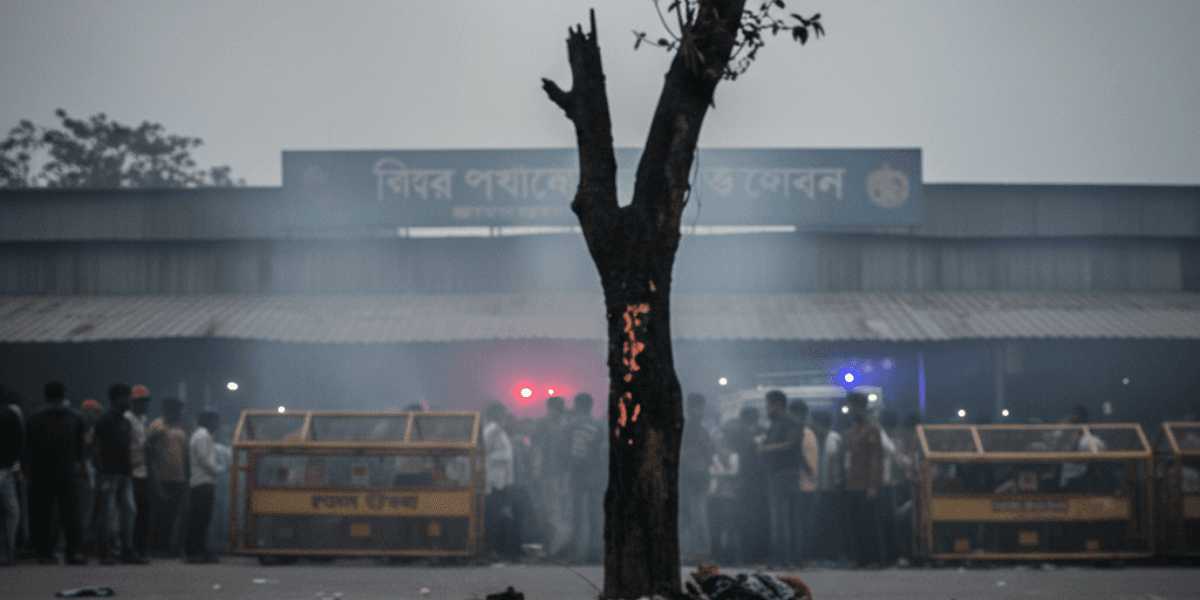
On December 18, 2025, a brutal lynching in Bangladesh thrust the country's simmering tensions into the global spotlight. Dipu Chandra Das, a 25-year-old Hindu garment factory worker, was beaten, killed, and his body set on fire by a mob in Bhaluka, Mymensingh district. The incident has reignited fears among minority communities and triggered international condemnation.
A Perfect Storm of Chaos
The timing of Das's murder was significant. December 18 was the same day that Sharif Osman Hadi, a prominent youth leader, died from gunshot wounds in Singapore. Hadi had been shot six days earlier, and his death sparked massive nationwide violence and protests. With law enforcement stretched thin and the country already on edge from over a year of political instability following the formation of an interim government, conditions were ripe for tragedy.
What Happened
Das worked at Pioneer Knit Composite Factory, where tensions had been building over workplace disputes involving production targets, overtime, and working conditions. During a World Arabic Language Day event at the factory, allegations of blasphemy suddenly surfaced against him. In Bangladesh, even unverified religious accusations can provoke deadly reactions, especially during periods of volatility.
According to investigations, rumors spread that Das had insulted Islam. A crowd quickly grew into a mob that overpowered attempts at de-escalation. Das was severely beaten, lynched, and his body was tied to a tree and burned. His family has consistently denied the blasphemy allegations, insisting they were used to justify violence stemming from workplace disagreements. Police investigations found no evidence to support the religious accusations.
Swift but Insufficient Response
The interim government condemned the killing as barbaric, with authorities arresting at least 12 suspects. The Rapid Action Battalion and police launched coordinated investigations, and officials promised justice regardless of political or religious affiliation. Government representatives visited Das's family, offering financial assistance and legal support.
However, rights groups noted that reactive measures cannot undo the failure to prevent mob violence in the first place. The incident exposed how quickly rumor-driven anger turns lethal when institutions fail to intervene.
Ripple Effects Beyond Borders
The lynching sent shockwaves through minority communities across Bangladesh, with reports emerging of threats, vandalism, and intimidation against Hindu families in other regions. The fear is palpable: when violence is justified through religious accusations and law enforcement is absent, mobs become executioners.
In India, protests erupted outside the Bangladesh High Commission in multiple cities, with demonstrators demanding stronger protections for Hindus. Political leaders condemned the killing as a failure of minority protection, while international human rights organizations urged Bangladesh to reinforce the rule of law.
Why This Matters
This wasn't an isolated incident but a symptom of deeper structural failures. It demonstrates how mob justice flourishes when institutions are weak, how minorities remain vulnerable during political instability, and how economic grievances at workplaces can be dangerously weaponized through false religious accusations. The incident also strains India-Bangladesh relations, complicating regional diplomacy.
The Path Forward
Bangladesh now faces a critical test. Punishing those responsible is necessary but insufficient. The country must develop faster responses to mob formation, take clear action against misuse of religious allegations, strengthen minority protections during unrest, and address workplace exploitation before disputes escalate into violence.
Justice will be measured not only by convictions but by whether this becomes a turning point or simply another tragic headline that fades from memory.
The lynching of Dipu Chandra Das serves as a stark reminder: when fear, misinformation, and instability converge, the cost is paid in human lives. As trials proceed, the world watches to see if accountability will prevail or if this tragedy will be forgotten without lasting change.
Related Posts
 Iran's 2026 Protests: When Hunger Turned to Rage
January 12, 2026