The "Da Vinci" Suspension: The Secret Behind the Mahindra XUV 7XO’s "Magic Carpet" Ride
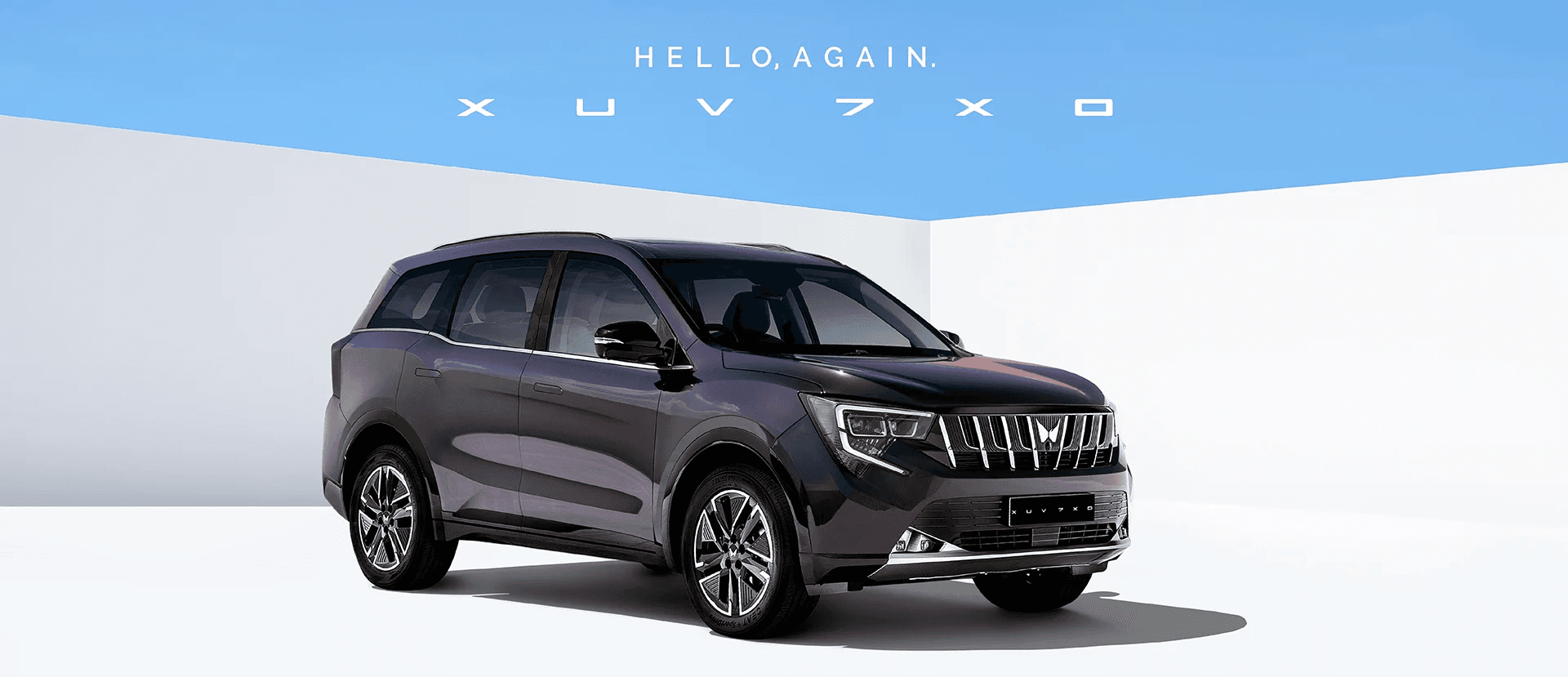
If you’ve been scrolling through social media lately, you’ve probably seen the video. A massive SUV driving over speed bumps with a delicate pyramid of wine glasses stacked on its bonnet—and not a single drop spills.
No, it’s not a Rolls Royce or a Mercedes with air suspension. It’s the all-new Mahindra XUV 7XO, and the internet is losing its mind over the technology making that stunt possible: the Da Vinci Suspension.
But beyond the viral marketing stunts, what actually is this technology? Is it just a fancy name for a shock absorber, or is it a genuine game-changer for Indian roads? Let’s pop the hood (and the wheel arches) to find out.
What Exactly is "Da Vinci" Suspension?
First, let’s clear up the confusion. The XUV 7XO (the newly launched update to the XUV700) doesn't use expensive, high-maintenance air suspension. Instead, it uses a highly advanced mechanical damping system that Mahindra has branded "Da Vinci."
At its core, it is an evolution of Frequency Selective Damping (FSD) technology, likely developed in partnership with suspension giants like Monroe or Mando.
Here is the non-engineering explanation of how it works:
- The "Brain" Inside the Valve: Inside the shock absorber, there is a specialized valve system that acts like a mechanical brain. It can "feel" the frequency of the road.
- High Frequency (Bumps & Potholes): When the wheel hits a sharp bump (fast movement), the valve opens up instantly. This softens the suspension, allowing the wheel to soak up the impact without transferring the jolt to the cabin.
- Low Frequency (Cornering & Highway): When you are turning a corner or changing lanes on the highway (slow body movement), the valve closes. This stiffens the suspension to prevent the car from rolling or swaying, keeping it glued to the road.
Why Is Everyone Hyping It Up?
You might be thinking, "Okay, but didn't the old XUV700 have FSD too?" Yes, it did. But the Da Vinci system in the XUV 7XO solves two specific problems that plagued the previous model, which is why owners are excited.
1. The Death of the "Thud"
The biggest complaint from XUV700 owners was the infamous "thud" sound when hitting a sharp pothole. The suspension would bottom out, creating a jarring noise that felt unrefined. The Da Vinci system reportedly incorporates hydraulic rebound stoppers (or a similar hydraulic mechanism). Instead of metal hitting rubber (which causes the thud), the suspension now hits a cushion of oil at the end of its travel. The result? Silence.
2. The "Magic Carpet" Effect
Indian roads are... unpredictable. We have highways that suddenly turn into crater fields. The Da Vinci system bridges the gap between a "soft" city car and a "stiff" highway cruiser. It offers that floaty, luxury-car feeling over bad roads (hence the wine glass demo) without making the car feel boat-like at high speeds.
Why This Matters for the Indian Buyer
The genius of this move isn't just the technology—it's the cost.
- Air Suspension: Costs lakhs to repair and often fails after 5-6 years.
- Electronic Suspension: Complex and expensive.
- Da Vinci (Mechanical FSD): Offers 80-90% of the comfort of those expensive systems but is purely mechanical. It’s durable, requires no electronics, and doesn't skyrocket the car's price.
The Verdict
The "Da Vinci" suspension is more than just a cool name. It is Mahindra listening to customer feedback and applying a smart engineering fix rather than just slapping on more touchscreens.
For the average family, it means the kids won't wake up when you hit a speed bump. For the enthusiast, it means you can take corners confidently. And for the content creators? Well, it gives them a great excuse to stack wine glasses on their cars.

Related Posts
 Iran's 2026 Protests: When Hunger Turned to Rage
January 12, 2026
 Murder by Mob: The Death That Demands Accountability
December 25, 2025